Tuesday, August 01, 2006

Goth youth subculture. self mutilation. suicide attempts


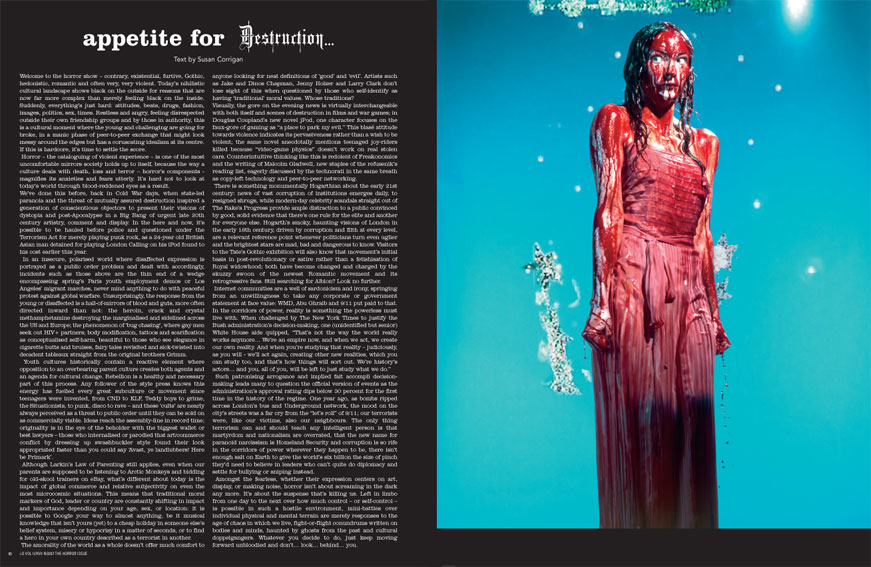
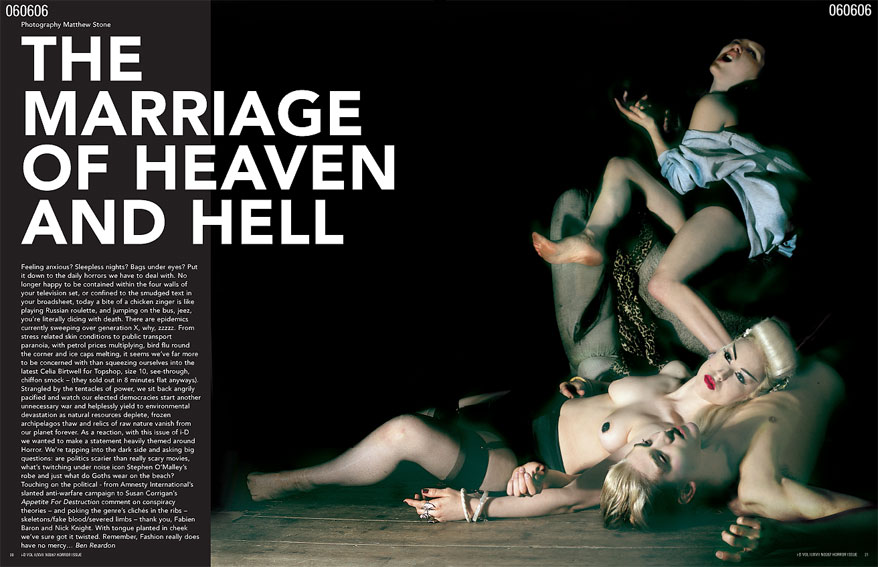
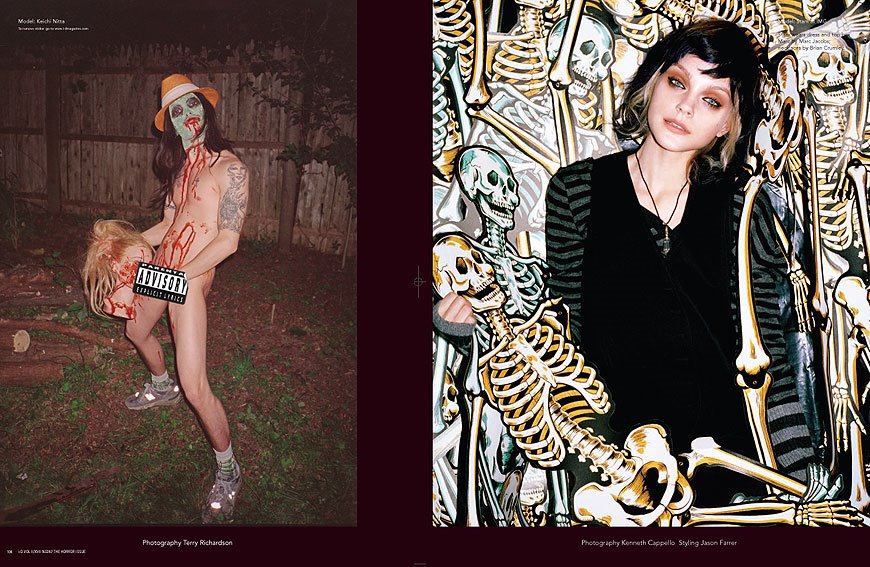
Picture taken from the magazine I-D horror issue of July 2006


A longitudinal cohort study develops on the relationship between goth youth subculture, self mutilation and suicide attempts to understand if deliberate self harm is associated with contemporary Goth youth subculture.

The paper, published in April 2006, is written by Robert Young, Helen Sweeting, and Patrick West: Prevalence of deliberate self harm and attempted suicide within contemporary Goth youth subculture: longitudinal cohort study. It is a study made with 1258 people aged 19, surveyed in 2002-4 and followed-up since age 11 (1994) in Scotland.

Identification as belonging to the Goth subculture was the best predictor of self harm and attempted suicide. Although based on small numbers, additional longitudinal analysis suggests both selection and modelling mechanisms are involved, selection mechanisms possibly being more likely.
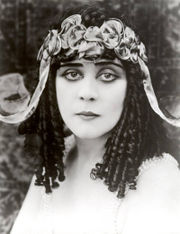


One famous female role model is Theda Bara, the 1920s femme fatale known for her dark eyeshadow, curves and smoldering onscreen presence. By Wikipedia about Theda Bara's look being an inspiration for Goth fashion.

Definition of Goth subculture by Wikipedia
Goth is a contemporary subculture prevalent in many countries around the globe. It began in the United Kingdom during the early 1980s in the gothic rock scene, an offshoot of the post-punk genre. The goth subculture is remarkable for its longevity compared with others of the same era. Its imagery and cultural proclivities show influences from nineteenth century Gothic literature, mainly by way of horror movies (particularly cinematic depictions of vampires).
The goth subculture has associated "gothic" tastes in music and fashion. Gothic music encompasses a number of different styles. Common to all is a tendency towards a “dark” sound. Styles of dress within the subculture range from death rock, punk, Victorian, androgyny, some Renaissance style clothes, combinations of the above, and/or lots of black attire, makeup and hair.


Gothic woman, traditional style, with big hair, spikes and piercings

Picture from Wikipedia, the free encyclopedia.

The reviews were also particularly interesting in judging the results of this work. A pertinent one by Mark Taubert, Senior House Officer in Palliative Medicine:
Young’s interesting study (1) claims to find a strong association between Goth subculture and deliberate self-harm before and after adjusting for confounders.

Importantly, it fails to distinguish that the Goth subculture is not easily defined or categorised, spans several continents and has evolved to include a wide range of musical and clothing styles. This contemporaneously includes Mallgoths in the US, Gogans in Australia, Dark in Latin America, Cuervos in Spain and Spooky kids and Neogoths in the UK (2, 3). Young et al should have made it clear in their discussion that any conclusion only relates to a small sample of gothic youth in the Central Clydeside Conurbation. One cannot assume that Goth youths’ subcultural trends, icons and ideals would be similar in other geosocial regions.

Perhaps not all confounders have been taken into consideration given that Young’s study was conducted in Scotland between 2002 and 2004. During this period, a Scot won ‘Pop-Idol’ (Michelle McManus) and another won ‘Fame-Academy’ (David Sneddon). Both these TV programmes were difficult to avoid given the intense media coverage. The study concludes that the causality for Goths self-harming more than, say, Pop-Fans (53% and 7% respectively) remains unclear. The exasperation with current popular cultural trends may have driven one subculture, the Goths, to drastic methods of protest, such as overt self-harming.

Could frequent, involuntary exposure to mass-produced pop music affect the mental health of one youth sub-culture population more than another’s? As Ovid states in Tristia: Est quaedam flere voluptas.


Another point of view on the paper by Andrew J Ashworth, General Practitioner:

The observed association between deliberate self harm and the Goth subculture is seen as most likely to be by self-selection. I propose a physiological basis for that self-selection that is consistent with this and other evidence and offers theraputic possibilities.

The recorded method of deliberate self-harm in this study was “cutting, scratching or scoring”: all activities that might be expected to release endogenous endorphins systemically. Those who have suffered long term trauma can be expected to have higher levels of dynorphins (chronic endogenous antinociceptives), which are opiate kappa agonists, reducing dopamine secretion in the Nucleus Accumbens and causing reduced mood reactivity. “Driving” dopamine secretion through increased opiate mu secretion through physical (eg cutting), psychological (eg taking part in dangerous activity) or drugs (eg Heroin), or by smoking (Nicotine acts directly on Dopaminergic fibres)can rebalance the opiate system by overcoming the inhibitory kappa effect to permit perceived normality. Reactivity of mood mediated by dopamine can thus be subject to behavioural control, including deliberate self-harm by cutting, scratching or scoring.


Finally, the author's reply to the reviews:


The definition of “Goth” is contentious, but covers a wide range of musical tastes, social groupings, and aesthetics. The most relevant distinction here is between contemporary (usually younger) “Baby, Bat or sometimes referred to as Mall (US)” Goths vs. “mature, real or Elder Goths” 1. Our paper, as is clear from the title, refers to younger Goths; the results may not apply to all Goths.

The range of comments in response to our conclusion, that both selection and influence mechanisms may be involve, reflect the lack of evidence on this issue. To highlight this, we drew attention in the press release following publication to the possibility that engagement with Goth subculture could have positive rather than negative consequences for some young people. Our contribution is a first step towards producing an evidence base to test this, rather than relying on media speculation.

Some contributors have suggested that the association between self- harm and Goth subculture may be accounted for by other factors. However this is unlikely, since we adjusted for the strongest and most relevant correlates of self-harm found in other studies of young people. Others have suggested that our results were not valid due to the small numbers involved. We would point out that our paper underwent a formal statistical review before publication. Further, while the media focused on the 25 young people who unambiguously identified as Goth, nearly 8% of our representative sample had identified with Goth subculture, in varying degrees of intensity, and were 3-4 times more likely to self-harm, than the other participants.

It has also been suggested that by adopting a quantitive approach we may have missed contextual factors (this is obviously true of any non- qualitative study), and that the high rate of self-harm found among Goths is a form of decoration, analogous to body modification. We dispute this on two grounds. Firstly, since those who self-harmed were asked why, we know that the majority, regardless of youth subculture did so to relieve anxiety, anger and other negative emotions. Secondly, while cutting could be interpreted as some form of subcultural display, such an argument is difficult to sustain in relation to attempted suicide.


Finally, on a hopeful note, the I-D horror issue that I bought this July 06 seems to offer a nice come back into the Goth world ...





In self mutilation and fashion

Sunday, July 23, 2006

Feedback for people with OCD

UBICOMP TO PROVIDE FEEDBACK FOR PEOPLE WITH OBSESSIVE-COMPULSIVE DISORDER

Obsessive-Compulsive Disorder (OCD): Patients are Impaired in Remembering Temporal Order and in Judging Their Own Performance, J. Clinical and Experimental Neuropsychology, vol. 24, no. 3, 2002, pp. 261–269.

Today, Rob Van Kranenburg sent me an interesting article he wrote in 2003 on how ubicom applications could provide feedback for people with OCD. He is developing solutions in the framework of contemporary performance and theatrical practice.

The paper can be found here.

The paper mentions that in the US and Netherlands, one in 50 adults currently has OCD, and twice as many have had it at some point in their lives.

How could ubicomp be instrumental here? Phase 1 is researching if ubicomp applications can assess if a person has a tendency for audio, visual, tactile, or other kinds of feedback that would signal the task scenario’s closure. In Phase 2, we would have to access, for example, if visual feedback on clothing or another appliance could break the chain of repetition for a person who functions on visual feedback but is dealing with an apparatus that does not provide such feedback. Working closely with psychiatrists and OCD patients, in Phase 3 we could test whether such ubiquitous computing applications could break the loop of repetition, assuming that it is the kind of feedback that is responsible for the taskloop’s nonclosure.


Finally the paper concludes that ubicomp applications could focus on temporal markers and serendipitous feedback scripting into various scenarios to raise self-awareness.

In pervasive computing

Friday, July 21, 2006

Framework for Haptic Psycho Therapy


Hurt Me prototype

Cool Me Down prototype

It is a pity that just the excellent personalities suffer most from the adverse effects of the atmosphere -Goethe

Together with Leo we wrote a paper on a framework for Haptic Psycho Therapy. We presented our research at the Health Pervasive Systems Workshop of the IEEE International Conference of Pervasive Services 2006.

Download the powerpoint slides of our presentation

Abstract: A growing body of evidence supports touch-based therapy for assisting sensory issues stemming from common social and psychological problems. Simulating touch through haptic devices can complement existing treatments for mental illness by providing soothing sensations that help to ground the senses. We introduce the concept of using computerized touch stimulation as a means for psychological therapy, and present a haptic device that allows touch information to be captured, broadcast and replayed in a wearable garment. To be effective outside the home or care-giving facility, this new type of therapeutic wearable needs to be highly customizable, easily controlled by the user and discrete enough to be worn in public.

We developped four prototypes that will be exhibited at the A + D Gallery in Chicago, September 7 – October 21, 2006

The Touchcasting serie consists of:
COOL ME DOWN - An Electronic Cold Wrap for the Treatment of Schizophrenia
More info about Cool Me Down
- Patent pending -


HURT ME - A Bracelet that Generates Controlled Pain for Psycho-Therapy
More info about Hurt Me
- Patent pending -


SQUEEZE ME - A Vest that Simulates Therapeutic Holding
More info about Squeeze Me
- Patent pending -


TOUCH ME - A System and Method for the Remote Application of Touch Therapy
More info about Push My Buttons
- Patent pending -

I now working independently on Seamless Sensory Interventions for the treatment of mental and neurological disorders.
My current research proposes haptics as the key to bringing treatment into the social sphere through devices, and providing new ways to mediate between the patient and the therapist both in and outside of therapy. Self-mutilation is a perfect test-case, because of the definitive “physicality” of the symptoms. However, the broader solutions that I am proposing have implications for diseases as diverse as autism, depression, and schizophrenia.

Machine Therapy


I have just chatted with Kelly Dobson today at the lab and we found out that we share a research goal: using machines for therapy.
I will show her the last ptototypes on Haptic Psycho therapy that I made with Leo such as:
Squeeze Me - A Vest that Simulates Therapeutic Holding
Hurt Me - A Bracelet that Generates Controlled Pain for Psycho-Therapy
Cool Me Down - An Electronic Cold Wrap for grounding
Push My Buttons - A System and Method for the Remote Application of Touch Therapy

I have always adored Kelly's work. In particular, her ScreamBody.
ScreamBody is the first of the series of Wearable Body Organs. ScreamBody is a portable space for screaming. When a user needs to scream but is in anynumber of situations where it is just not permitted, ScreamBody silences the user’s screams so they may feel free to vocalize without fear of environmental retaliation, and at the same time records the scream for later release where, when, and how the user chooses.

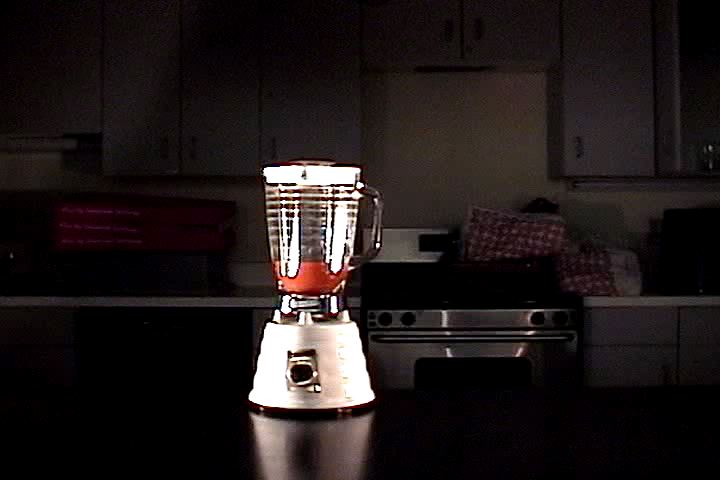
One of her last piece is Blendie, a voice controller blender.
The experience for the participant is to speak the language of the machine and thus to more deeply understand and connect with the machine.

She is now finalising her PhD research on Machine Therapy
It is a body-to-body affair. In this way the machines serve as a bridge to the person’s inner life

In Haptic therapy

Thursday, July 20, 2006

A placebo coupled with a non-invasive form of treatment

The benefit obtained by the patient is at least partially due to his or her sense of hope, positive expectation, and activation for self-healing processes Institute of Medicine

I position therapy with haptic systems as part of the spectrum of complementary and alternative medicine (CAM). Now, how can we evaluate the efficiency of CAM? For invasive forms of treatment in conventional medicine, studies include a placebo. However, with most complementary and alternative medicines, the placebo effect becomes an inherent part of the treatment.

If the outcome of a placebo can be equal to the one of an invasive treatment, I think there is a lot that can be designed around the placebo effect coupled with a non-invasive form of treatment …

A key reference
Complementary And Alternative Medicine in the United States By Institute of Medicine, National Academies Press, 2005.

In Haptic therapy

Fashion drawing

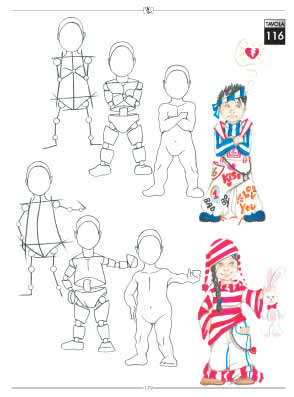
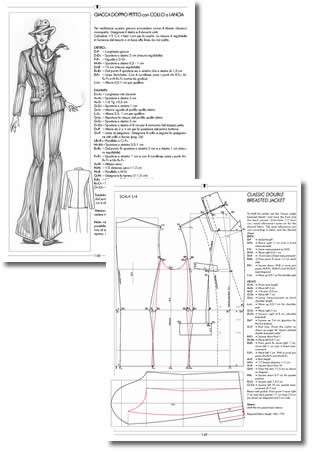
I found two informative books on fashion drawing that contain inspiring examples for explanatory design.

The FASHION DRAWING BOOK - Il Figurino di Moda


The PATTERN MAKING BOOK - Il Modellismo Sartoriale


In fashion design

Wednesday, July 19, 2006

Everyday life on wow

I play World of Warcraft.
So little is said about the social life and the partnership difficulties of one wanting to fight spiders while the other one wants to gather some herbs. This comic was sent to me by Adam (a powerful priest who collects herbs) ... enjoy (wow humour only)


My character is a warrior, profession engineer, level 28. I am in the peaceful Alliance maybe I'll try the Horde.


And later, I found a super wow fitness program on Nicolas' blog that I will be sure to follow


In favorite games

Tuesday, July 18, 2006

What is happiness?


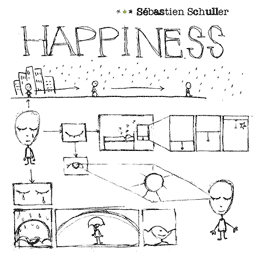
The french artist Sébastien Schuller
(from the Yvelines, Versailles or Trappes) has the best definition so far:

'In the mildness of the spring
You feel creepy like a worm
In your lost enchanted brain
You're proud to go
With the fairness of your skin
You feel funny in this world
In your lost enchanted dreams
Weeping willow'

From his album Happiness.

Video-clip

In French music as we like it

Thursday, July 13, 2006

A haptic psycho therapeutic Barbie for violent kids?


Recently, Florence Gallez --Moscow correspondent for the Bureau of National Affairs-- sent me two articles about the future of the Barbie dolls. Either to mention that it is time to kill her or that 'Barbie's new dad is searching for the doll's missing wow' ...
Well, I remember a WOW and this by only switching voices between Barbie and GI Joe dolls. Maybe Mattel could receive some advice from Mike Bonanno (the Yes men) ...

In any case, I think it is time for us to make a Psycho-therapeutic Barbie that squeezes violent kids with her tiny little hands ... Touchcasting is working on that new Barbie revival!


Barbie as Cat Woman

In psycho toys

Thursday, June 08, 2006

Harvard University commencement 2006

,

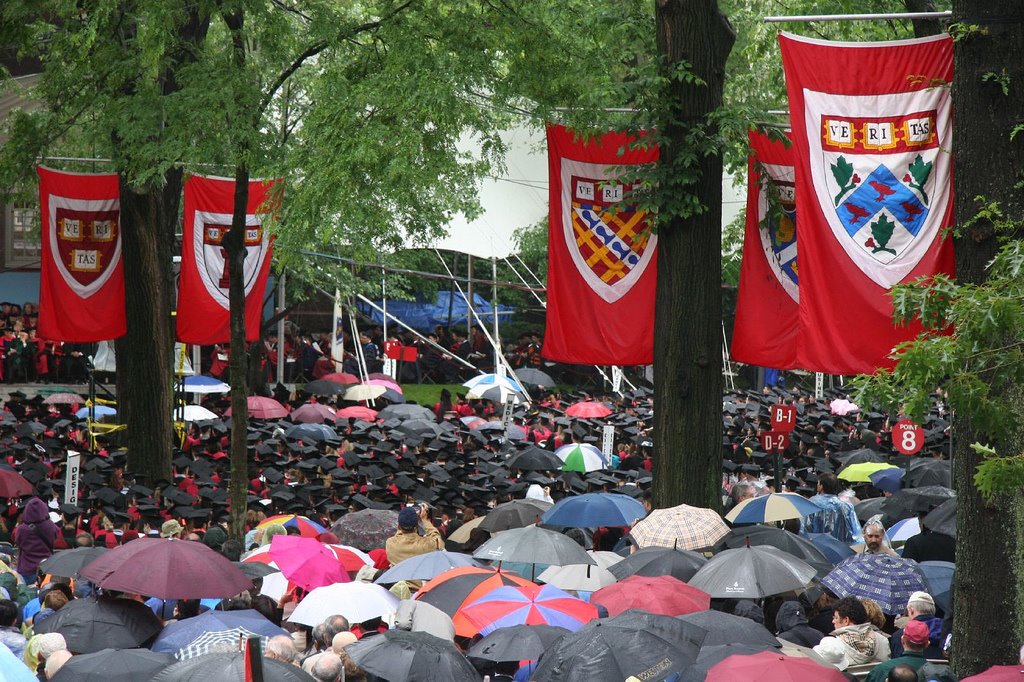
The 2006 commencement ceremony at Harvard University


Official news about the commencement ...

So, I did it! I decided to enjoy the experience of US commencement's ceremony. My Bostonian family was here: Daisy & Adam. I did rent the academic dress and marched to Harvard Yard :) and Daisy and Adam took pictures under the rain ...


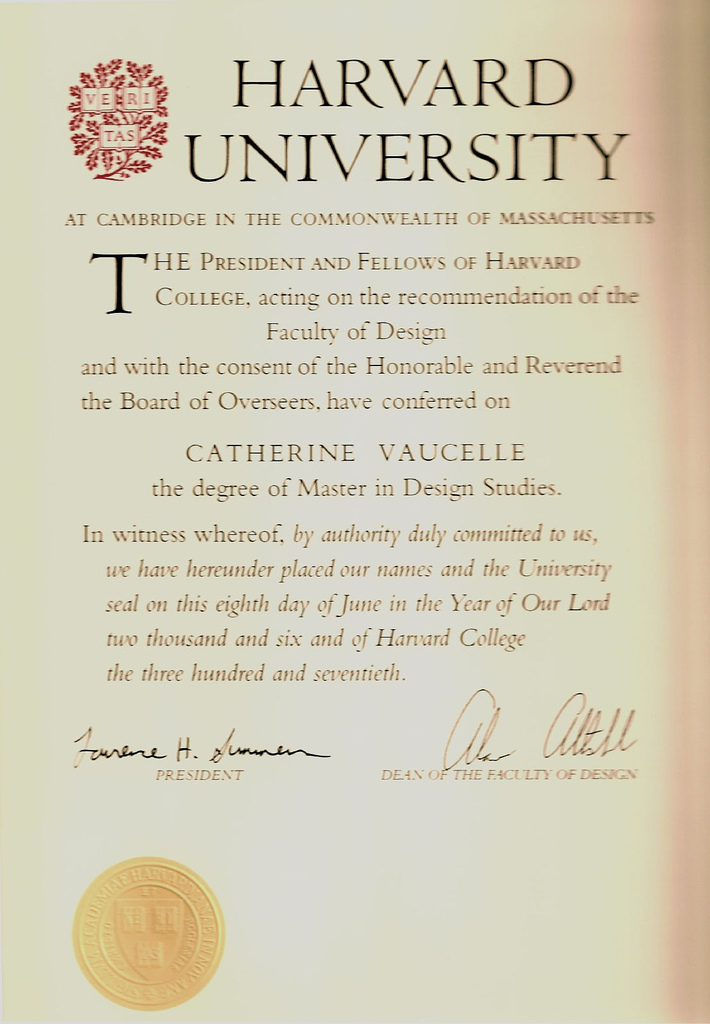
Finally I received my degree at the Harvard Design school. A Master in Design specializing in product design and architecture ...
I received my grades. Among the grades I received a High Pass from Dr Antoine Picon and Distinctions from Marco Steinberg. What a nice ending for such a challenging degree!


My ID, a last glance at it before starting the exciting journey of a MIT PhD at the Media Lab, in the Tangible Media group run by Prof. Hiroshi Ishii ...


In academic achievements