Friday, May 19, 2006

when fashion technology design meets fairy tales ...


This project is part of a body of research that focuses on relational and ubiquitous performance. Investigating historical performance-centric contexts and adapting new scenarios for wearable and sensing technologies, “Peau d’Âne” seeks to create a bridge between the symbolic percipience of fairy tales and current technological innovation. In particular, this project explores the potential for wearables to become agents of performativity.


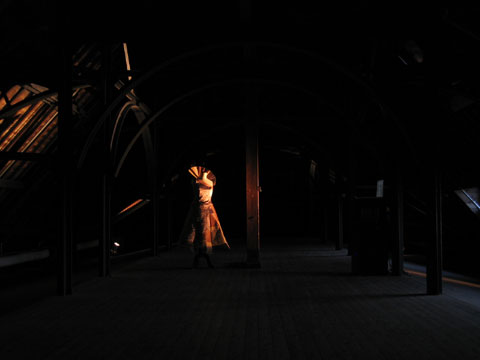
I am a total fan of Valérie Lamontagne's work. She interprets one of my favorite Charles Perrault fairy tale “Peau d’Âne” by giving life to the 'impossible' dresses that a young princess orders her stepfather to thwart marrying him.

These three dresses made of immaterial materials. The first is to be made of the “sky” and should be as light and airy as the clouds. The second is to be made of “moonbeams” and should reflect the same lyrical intensity as the moon at night. The third, and last, is to be made of “sunlight” and should be as blinding and warm as the sun above.


The Sky Dress


The Sky dress will display changing structure and sounds based on changes in the sky. The dress will be made of inflatable plastic complete with wind-chiming tunnels. The more clouds in the sky, the larger the dress will grow, much like a cloud itself. The more wind outside, the more the dress will “sing” as air is propelled through small plastic pipes to create sounds. Precipitation or rain will make the dress vibrate as the rhythm of the airflow in the dress is regulated (i.e. air will go in + out in a rhythmic fashion).


The Moon Dress
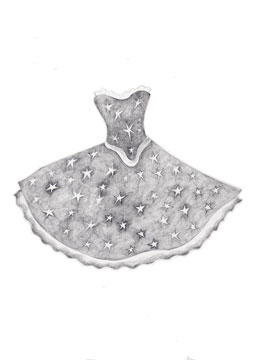

The Moonbeam dress will display changing colour patterns based on the 28 day cycle of the moon. These at times subtle and other times shocking transformations will be made utilizing conductive threads and epoxies along with a combination of plastisol / thermochromic paints. Thermochromic paint is heat-sensitive paint, which can change from one colour to another or from opaque to transparent when exposed to a heat source. The Moonbeam dress will be embroidered with conductive thread in order to trigger responses in the paint and represent the moon cycle as it appears and disappears. As the moon cylces from a small sliver on the right to a full mood to a small sliver on the left, the dress’ colours and patterns will do the same.


The Sun dress


The Sun dress will display lights in motion based on changes in the sun. The dress will be constructed with a checkerboard of LEDs (light emitting diodes). The LEDs will be set in motion based on UV and sun intensity readings. The greater the intensity of the sun, the brighter the dress will glow, much like the sun itself. The more UV rays outside, the more the dress’ LEDs will flash, like a warning/danger sign. The changing patterns of the fully addressable LEDs will also permit to graphically represent the rising and setting sun as well as the changing direction of the sunrays.


Valérie Lamontagne's work in details ...


In when fashion design meets fairy tales

Touchcasting


We will present Touchcasting at the Sartorial Flux exhibit in Chicago september 7 - october 21 curated by Valerie Lamontagne (the author of the fabulous Peau d'Âne techno-clothing).

In exciting news


Wednesday, May 17, 2006

Les Nabaztag sont trop forts!

So not only they are super cool to have, my friend Matthieu had one when I came visit him in Paris this winter, but now they do operas:


Nabaztag

Petit commentaire au passage: If you type Nabaztag on Flickr, you get 594 pictures of the rabbit (including mine!)

So I found on Etienne Minneur's blog (who happens to be my graphic design professor from 1997-1999 while I studied at Paris VIII -- I am very proud of this fact, because I adore what he does)-- that Jean-Jacques Birgé is currently working with Antoine Schmitt on an opera for 100 Nabztags! This is for the ceremony of the Flash Festival 2006. Too bad I cannot attend, it is the 27th of May au Centre Georges Pompidou (Paris), but if you happen to be there, check if there are still tickets available. Tickets are free, yes this is France!


In personal addiction

Monday, May 15, 2006

Touch therapy medical findings

Physiotherapists' use of touch in inpatient settings. Roger J, Darfour D, Dham A, Hickman O, Shaubach L, Shepard K, Physiother Res Int. 2002; 7(3): 170-86

Although touch is a basic element in the practice of physiotherapy, no research has been done to establish the type and purpose of practitioner touch in clinical settings. The purpose of the present study was to determine how physiotherapists use touch in inpatient acute and rehabilitation settings.
METHOD: Fifteen physiotherapists with three or more years' experience were videotaped treating two to three patients. The participant physiotherapists reviewed a videotape of themselves and described the types of touch used and their intent behind each touch. Cross-case analysis was used to determine common themes in the descriptions. Mutually exclusive categories of touch were then refined, based on the cases.
RESULTS: The most common types of touch used by physiotherapists included assistive touch, touch used to prepare the patient, touch to provide information, caring touch, touch to provide a therapeutic intervention, and touch used to perceive information. The physiotherapists also used 33 different combinations of touch, that is, a single touch used for more than one purpose.
CONCLUSIONS: Inpatient physiotherapists clearly perform in a 'high touch' arena. Clinical experience was reported as the strongest factor in developing the physiotherapists' sensitivity to patient needs and their skill in using specific types of touch. Further research is needed concerning the way patients perceive and respond to the presence or absence of these various forms of practitioner touch.


I refer to this article as a nice control study because it shows how a specific group of therapists use touch


Therapeutic holding: outcomes of a pilot study. Berrios CD, Jacobowitz WH J Psychosoc Nurs Ment Health Serv. 1998 Aug ; 36(8): 14-8

1.Although decreasing the use of seclusion and restraints in the management of aggressive children is a critical issue facing pediatric psychiatric inpatient programs, finding effective alternatives has been a difficult challenge.
2. Therapeutic holding appears to be as effective as seclusion and restraint with respect to managing aggressive behaviors in the psychiatrically disordered child.
3. Therapeutic holding has the potential to reduce the episodes of mechanical restraints and to be perceived by children as less punitive.

This is to me an interesting journal article that proposes 'therapeutic holding' (or hug) as a nice branch of alternative to seclusion


Integrating complementary therapies into community mental health practice: an exploration. Collinge W, Wentworth R, Sabo S J Altern Complement Med. 2005 Jun ; 11(3): 569-74

OBJECTIVES: To (1) describe the integration of massage and energy-based therapies with psychotherapy in a community mental health center, (2) to present qualitative feedback on the service, and (3) to present pilot data from a sample of long-term clients with persistent mental health concerns.
DESIGN: A noncontrolled pilot study was conducted using interview data before and self-report instruments after completing a brief program of complementary therapy accompanying ongoing psychotherapy.
SETTINGS/LOCATION: The program took place at a comprehensive community mental health center in southern Maine and in the private offices of massage therapists and energy healing practitioners who contracted with the program. SUBJECTS: Subjects were 20 women and 5 men, with mean age of 42 years and a mean history of 7.4 years of mental health treatment. All had histories that included trauma, 10 of which involved sexual abuse. The Diagnostic and Statistical Manual of Mental Disorders IV Axis I diagnoses were PTSD (10), major depression (nine), anxiety disorder (three), and dual diagnosis (three).
INTERVENTIONS: Clients receiving ongoing psychotherapy were assigned to one modality of complementary therapy based on clinical judgment, availability of practitioners, and client interest. Modalities used were massage, acupuncture, Reiki, and Healing Touch. The mean number of sessions was five.
OUTCOME MEASURES: Clients completed an investigator-generated instrument with Likert-scaled ratings of satisfaction and perceived changes in four dimensions of trauma recovery: perceived interpersonal safety, interpersonal boundary setting, bodily sensation, and bodily shame.
RESULTS: Clients reported high levels of satisfaction with the service and significant levels of perceived (self-rated) change on each outcome measure. Qualitative results included enhanced psychotherapeutic outcomes reported by mental health clinicians.
CONCLUSIONS: The integration of complementary therapies into community mental health practice may hold promise of enhancing mental health outcomes and improving quality of life for long-term users of mental health services.

This paper is key as it concludes on findings on the efficiency of complementary therapies for mental health


In complementary therapies

Les neo-nomades se soutiennent!


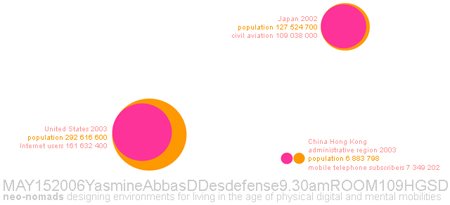
Today I attended Dr Yasmine Abbas thesis defense 'designing environments for living in the age of physical digital and mental mobilities'. I realised how beautiful nomadic life is and tomorrow I will buy the new Kenzo Samsonite suitcase and assorted night dress. A thesis like Yasmine's is so refreshing. I cannot wait to read the full thesis.

Congratulations Yasmine!

Sunday, May 14, 2006

Stelarc's work as haptic psycho therapy?


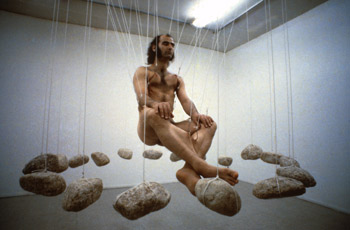
Stelarc, 'Sitting/Swaying: Event for rock suspension', Maki Gallery, Tokyo, Japan 1980. Courtesy the artist and Sherman Galleries, Sydney

The artist Stelarc creates medical instruments that could be interpreted as masochistic tools. As an example, he explores connections with the body by inserting hooks into his skin. Although not intended for therapy, I believe that the ideas about controlled pain, as in Stelarc’s installation, could serve as a support to treatments for pathologies where the patient is prone to self mutilations. By providing a controlled painful stimulus, the patient could ground his mind and overcome the dissociation he suffers from.

Electroconvulsive therapy involves passing sufficient electricity through the brain of a patient, such that a seizure is induced in the patient. It is currently used as a last-resort for individuals with tendencies towards self mutilation. Also, in some conditions, electroconvulsive therapy is implied for treatment of depressive disorders. In electroconvulsive therapy the patient is passive and receives the stimulus delivered by another person. However, the opportunity of haptics is that we are able to better specify limits where the patient can administer their own stimulus and gain both import and control on their own therapy.

In haptic research

Thursday, May 11, 2006

Kendall Roses


Leonardo Bonanni and I were finalists in the Kendall interactive design competition with Kendall Roses. The competition Kendall Square Interactive Design competition was organized by Lyme Properties.

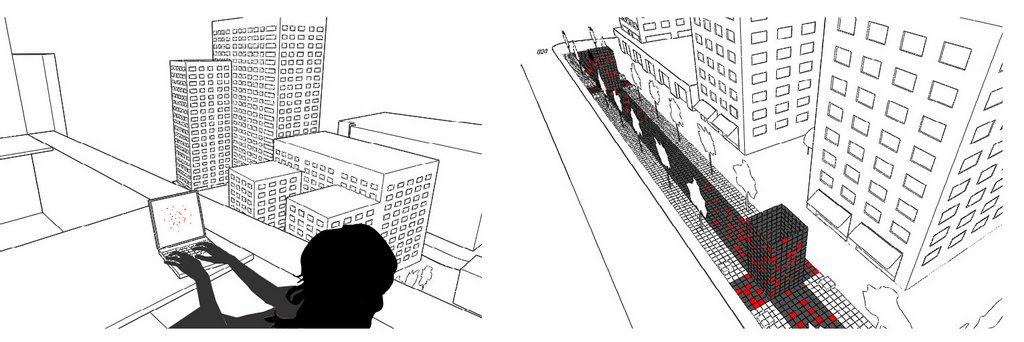
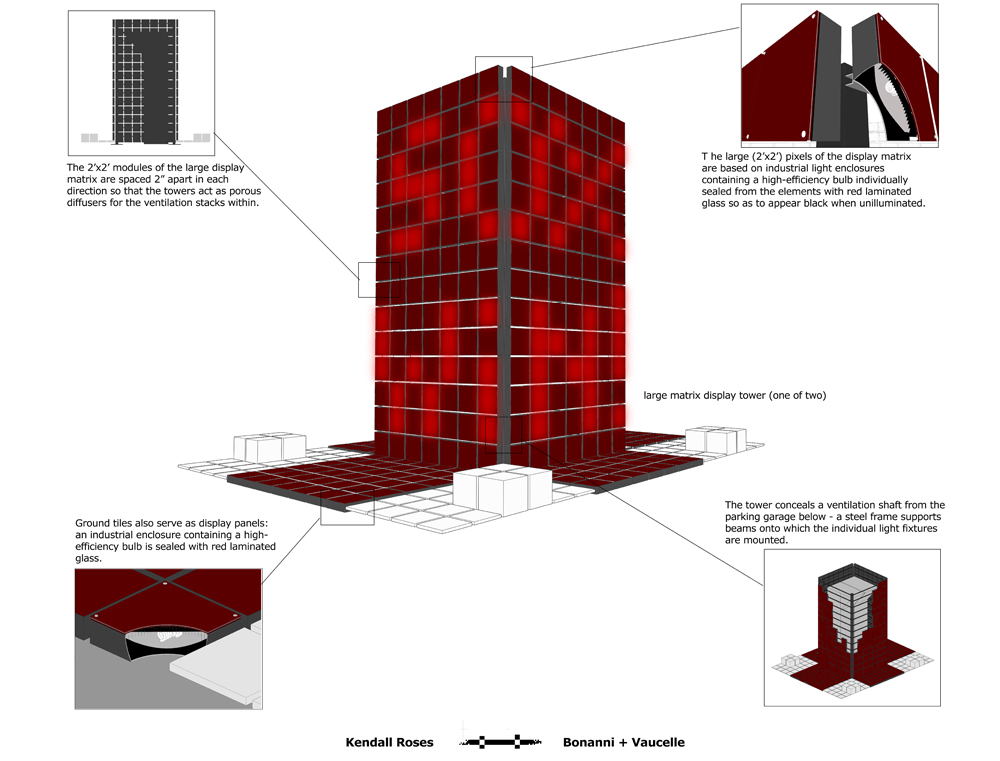
Based on my previous research Passing Glances (2002-2004), the Kendall Roses are designed to be an autonomous art installation that brings added value to the Kendall Square community. Bright, inexpensive daytime displays on two towers and the ground fulfill the role of the roses to provide compass directions to local attractions through graphics and text on billboards and the ground.
Data to the Roses is entirely wireless: SMS, internet and a local database are streamed to a wireless server inside each tower from local hotels, businesses, residents and the World Wide Web. In addition to useful information about local businesses, sports and attractions, the Kendall Roses offer opportunities for families and children to play on an interactive ground display that can project a variety of games. After an initial investment and potential partnership with local businesses and telcos for promoting SMS messaging, the towers will generate income primarily through advertisement for local businesses and as a tax credit for displaying public service announcements relevant to the community.

Some screenshots of the Kendall Roses interaction movie:


Details of the architecture


Plans of the Kendall Roses site


A movie of our entry


If it does not appear above, clic here
In personal work

Wednesday, April 26, 2006

CHI 2006 report


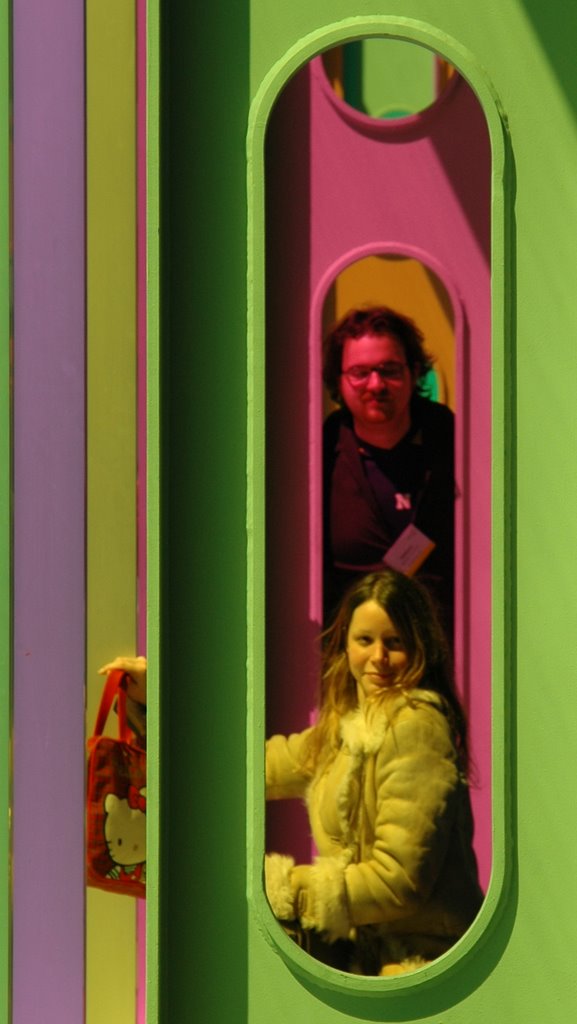
The spirit of CHI 2006, full of colors, nice people and nice food. This picture features Matt and I, and I must admit Leo has taken the best picture of all!

So I am in Montreal for the CHI'06 conference. I present with Leo two of our collaborative projects Playpals and Taptap.

I attended the Real World Design Solutions session and was impressed by the
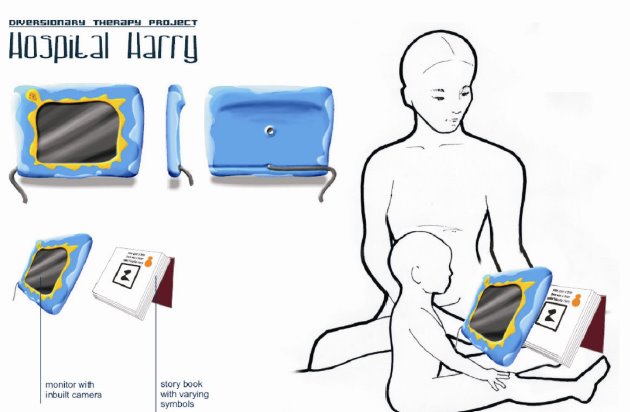
Experience Report on The Design of a Tangible Interaction Device to Alleviate Anxiety and Pain in Paediatric Burns Patients talk presented by Sam Bucolo from Queensland University of Technology Australasian CRC for Interaction.
News from the CRC on this project

One of the author presented a case study on the design of a tangible media device to alleviate anxiety and pain in pediatric burns patients. He worked with a multidisciplinary interaction design team throughout the research. He presented his encouraging results of an initial study of the device within a clinical trial.


The initial design sketches from the paper

The main questions on that work for me is to know how the mechanism work, if it is 'distraction' that patients experienced or if this is another mechanism. What if the graphics displayed on the screen were not aesthetically pleasing, would this aspect change the results of the study? The novelty of the device, its amazing graphics and scenarios maybe have impacted the results. ALso maybe the kinesthetic experience can impact the patient in a different manner than just 'distraction' that can be done by interacting with any kind of device.
This is to me an interesting step in building devices for hospitals in the form of a psychological support to strong pain killers medicaments.

Saturday, April 15, 2006

Selection of short animation movies

This semester, I take the Harvard Animation class, a VES course at the Faculty of Arts and Sciences, taught by Ruth Lingford.
Yesterday during our weekly screening, I particularly enjoyed watching movies from Gaelle Denis, Lisbeth Svarling, and especially the work of Emily Mantell 'To Have and to Hold'.

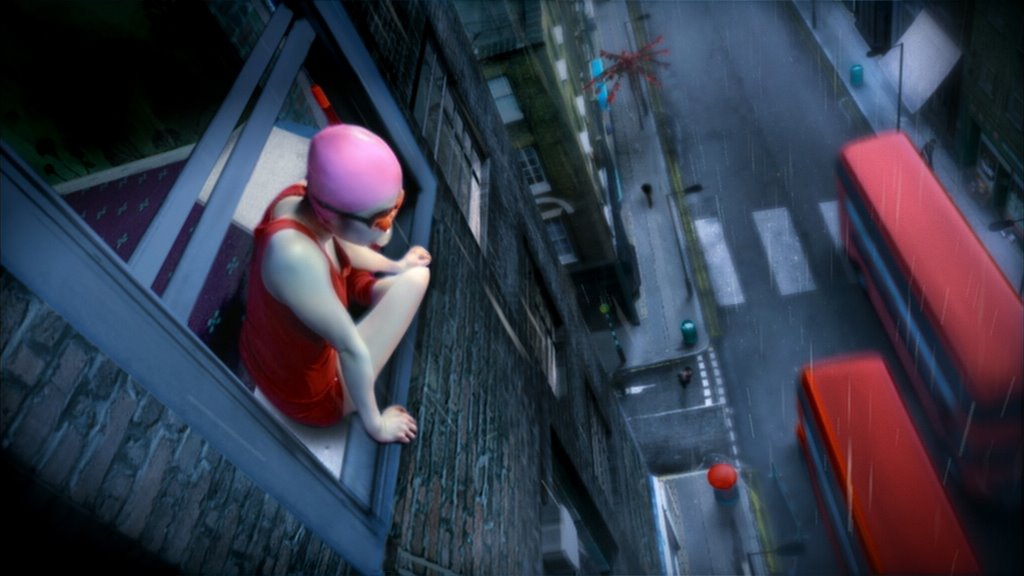
From Gaelle Denis I watched the very beautiful City Paradise, a journey through a very atmospheric London.

screenshots from the animation


She also is the author of Fish Never Sleep a very cute but intense story of an insomniac.


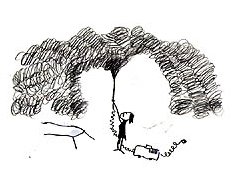
The cute Cloud Cover animation from Lisbeth Svarling can be watched here. The story features beautiful drawings and a story that can be interpreted in many ways. A little girl followed by her black cloud, looking for cure, looking for love... very touching and sweet.


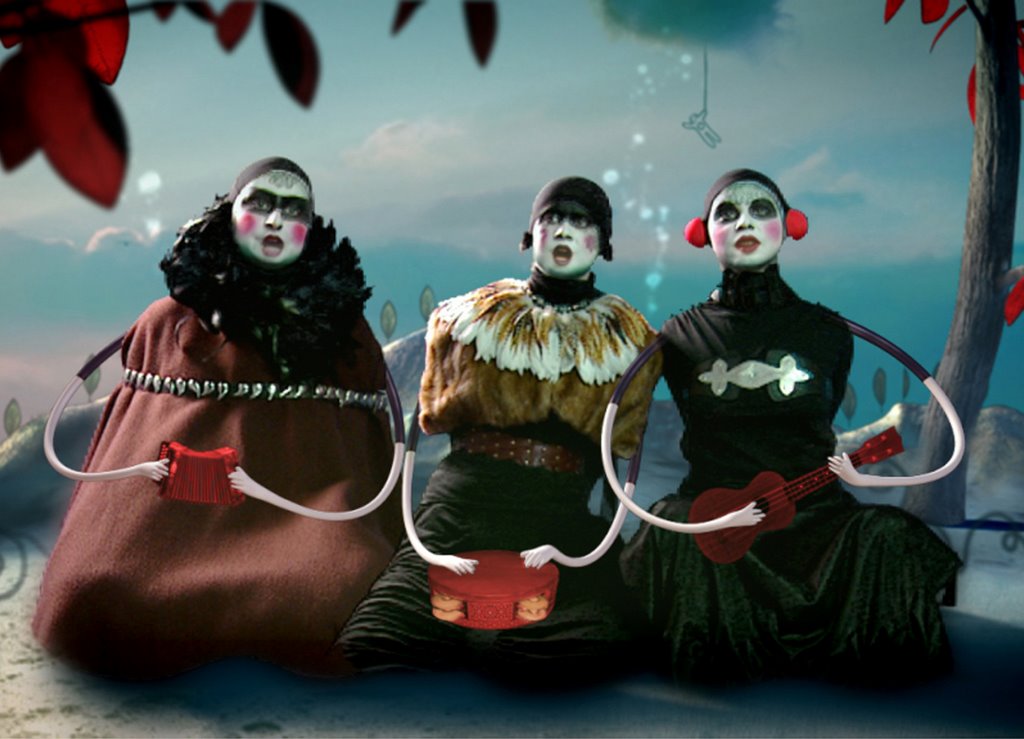
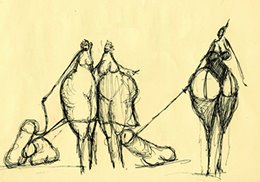
Finally, I literally adored the work of Emily Mantell 'To Have and to Hold'
An alternative world based on a companionship fantasy where women take the lead.


  • pieces of all the individual animations from the RCA show 2004 can be watched and downloaded here Check the Matthew Abbiss' Play

  • various kinds of animations can be watched here


  • In Animation

    Thursday, April 13, 2006

    Wall color changes for therapy?


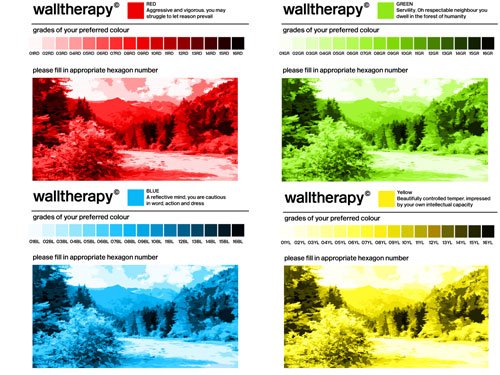
    Walltherapy is research on design methodology for bespoke, end-user created designs that can have a positive effect on their environment. Based on research that states that ambient color, light and texture can affect mood, Walltherapy invites anybody to use their favorite colors to create their own environment.

    Walltherapy is an empirical exploration of the neurological, cognitive and contextual bases underpinning the impact of visual stimuli such as colour and light and how people's mood can be expressed in design through a creative, scientifically-led design process


    More about the project

    In color therapy